The COVID-19 pandemic revealed to Europe just how vulnerable it is due to its reliance on external suppliers. Since then, the EU has been developing the concept of “open strategic autonomy”—aiming to make strategic decisions independently, strengthen the resilience and competitiveness of its own economy, and diversify its supply sources. This policy spans a wide range of areas, from raw materials and technology to the economy and the environment.
The pharmaceutical sector is a prime example: the pandemic exposed Europe’s dependence on distant suppliers for medicines and their components. Consequently, the EU is now seeking to bring strategic production closer to end consumers. And right on its borders lies a country capable of taking on a portion of this production.
While the war has dealt a severe blow to Ukrainian industry, it has simultaneously opened new doors: access to special financing programs, a vast market for post-war reconstruction, and accelerated integration into the EU Single Market. The question remains: in what capacity will Ukraine enter this market?
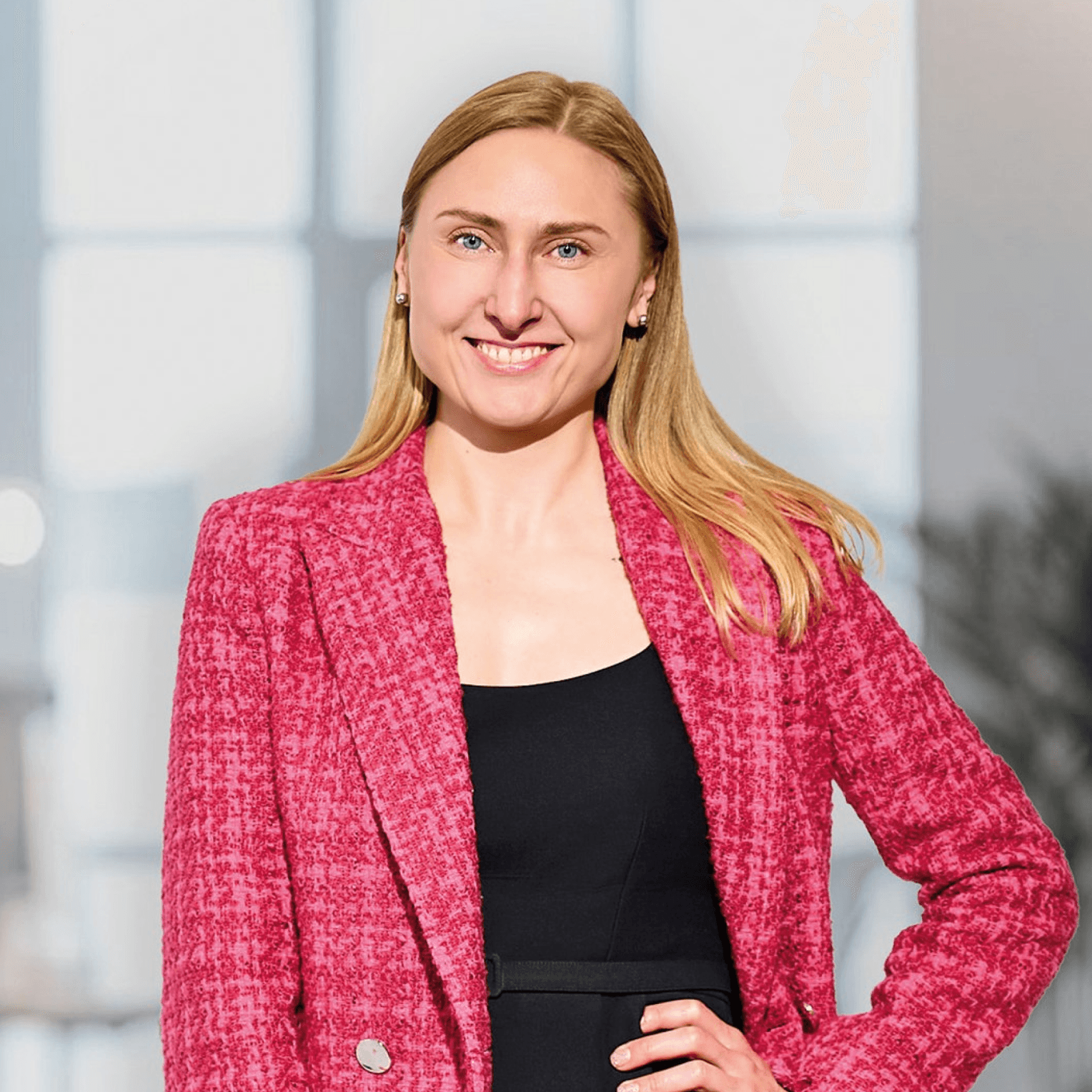
“Ukraine could become a full-fledged manufacturing partner for Europe—or it could remain merely a supplier of raw materials and a consumer market for foreign-made goods,” says Yevheniia Piddubna, Director of Corporate Communications at Farmak.
How can wartime challenges be transformed into opportunities? What products and technologies can Ukrainian companies offer Europe? Forbes BrandVoice spoke with six companies from various industries to explore the opportunities available to Ukrainian manufacturers and what is required to capitalize on them.
Buy Ukrainian—but not at any cost
The path to Europe begins at home. A strong exporter emerges from a strong domestic market; therefore, the discussion should start with how the state spends funds within the country—specifically, through public procurement.
One way to support Ukrainian manufacturers is through “localization”—a policy where the state uses public funds to purchase products that contain a specific share of Ukrainian-made content. The Verkhovna Rada passed the relevant legislation back in December 2021. The Ukrainian component must account for at least 10% and increase by five percentage points annually until it reaches 40%. By 2026, this threshold will stand at 30%.
However, for now, the requirement applies only to specific manufactured goods—primarily in the machinery sector, including railway and urban transport, municipal utility equipment, and energy infrastructure. In 2025, the government expanded the list for the first time, adding cables, lighting fixtures, metal structures, and large-diameter pipes. These localization requirements do not apply to pharmaceuticals.
Whether to extend these requirements to other sectors remains a subject of debate. The primary concern is that a mandate to “buy Ukrainian” could end up shielding uncompetitive manufacturers. Farmak maintains that any decision in this area must be based on a level playing field for all participants.
“Localization should not mean ‘buying Ukrainian at any cost and regardless of quality.’ Standards for the quality, safety, and efficacy of medicines must be the same for everyone,” says Yevheniia Piddubna. “But if the characteristics of the products are comparable, the state should also consider the economic impact of the procurement—specifically, the support for domestic production and the reduction of import dependency.”
In the defense sector, localization serves another purpose: the development of the industry itself. Government procurement can act as a bridge for technology companies, connecting the development phase with serial production. According to DroneUA, a key prerequisite for this is having a clear understanding of future demand for their developments.
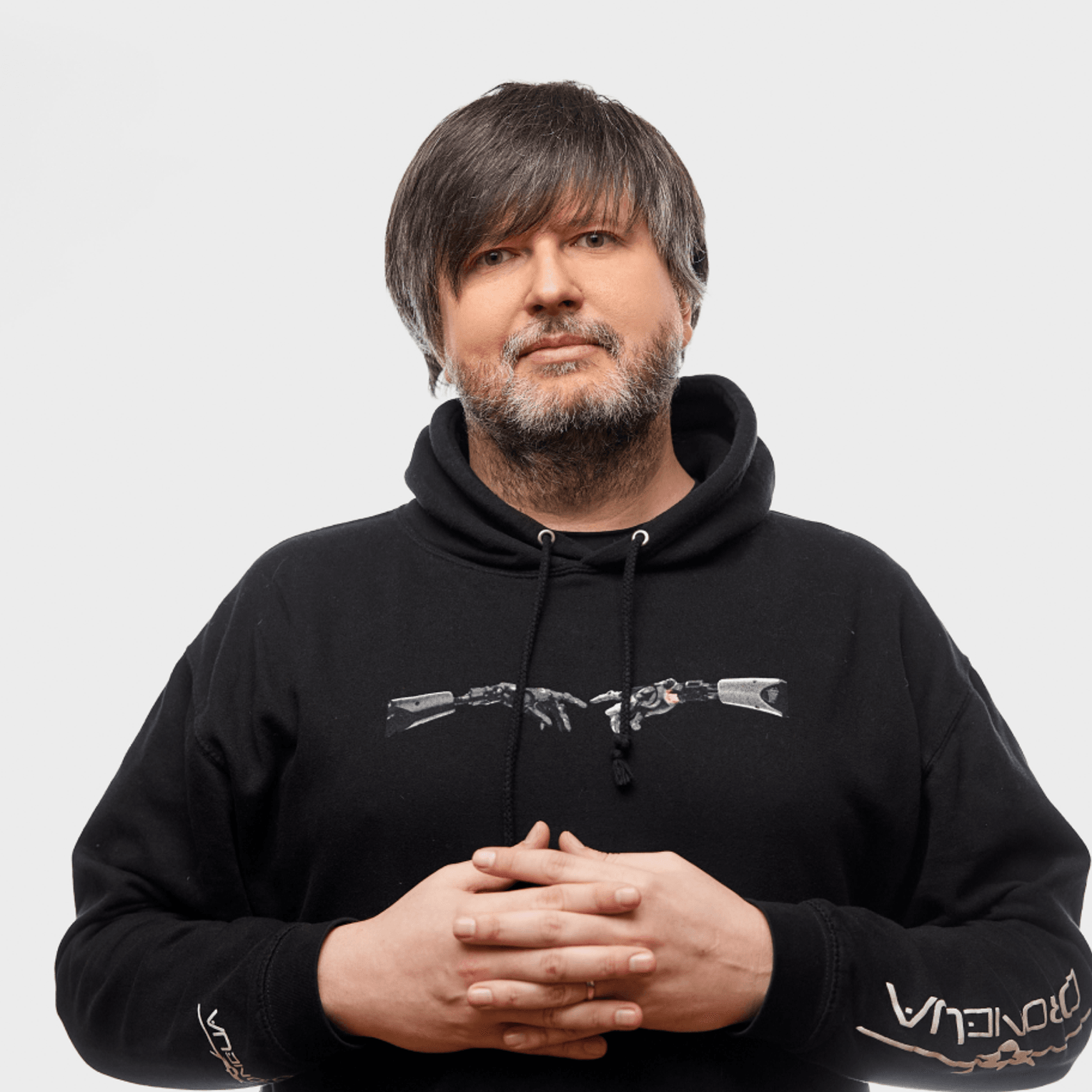
“Localization should be a means to retain a larger share of value-added, research and development, and intellectual property within Ukraine,” says Valerii Yakovenko, co-founder of DroneUA.
“When a manufacturer knows there will be demand for their technology, they can invest in production facilities and scale up manufacturing.”
More Than Just Grain
A single company accounts for 9.1% of the country’s total commercial exports—a figure reached by Kernel in 2025. Grain, vegetable oil, and metals remain the pillars of Ukrainian exports, with their strength rooted in sheer scale.
However, one cannot build a solid position in Europe relying solely on raw materials, the prices of which are dictated by global commodity exchanges. To gain a firm foothold there, Ukraine needs new trump cards: more sophisticated products, technologies, and expertise—the very things that Europe itself lacks.
A good place to start is the agricultural sector. The focus should shift from merely the volume of products Ukraine sells to the form in which they leave the country—whether as raw grain, animal feed, or a finished meal.
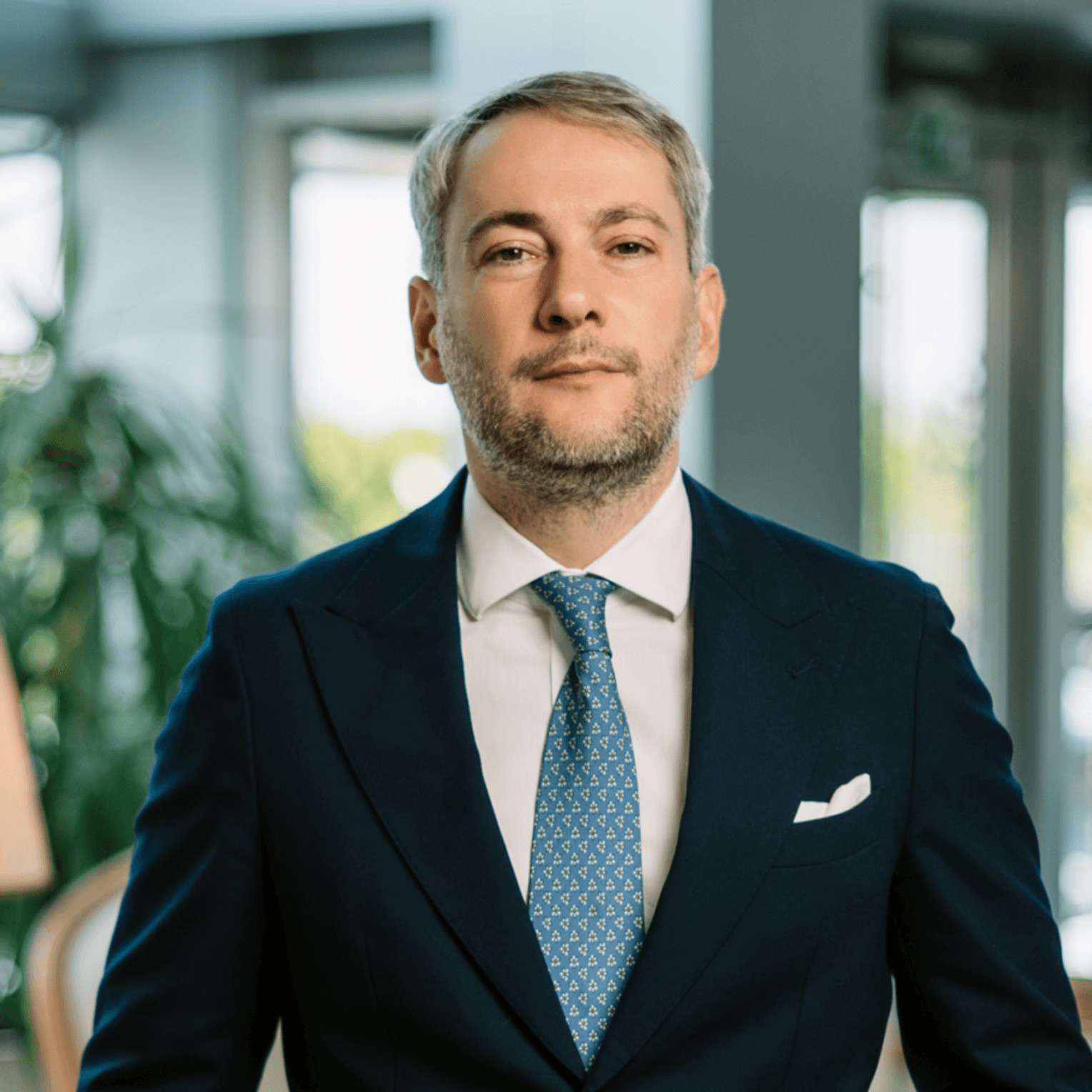
“Ukraine needs a policy focused on generating greater value from every hectare and every ton,” says Mykhailo Bno-Airiian, Vice President for International Relations at MHP.
“For us, this primarily means processed meat products, ready-to-eat meals, and culinary solutions. In these segments, consumers make their choices based not just on price, but also on quality, taste, and convenience.”
Another trump card is pharmaceuticals—an area where the pandemic exposed a vulnerability in Europe. Ukraine can help reduce Europe’s reliance on distant suppliers by producing essential medicines—such as antibiotics, painkillers, and injectable drugs for hospitals—as well as complex generics and active pharmaceutical ingredients (APIs).
“Ukraine could serve as a nearby, technologically advanced, and reliable manufacturing base for the EU,” asserts Yevheniia Piddubna. “European companies could source APIs from Ukraine rather than importing them from Asia, or establish joint ventures for the production of generics.”
In the energy sector, equipment, engineering expertise, and systems management are equally critical. However, competing with Chinese manufacturers of photovoltaic modules, inverters, and battery cells is nearly impossible, admits Andrii Khyzhniak, Deputy CEO for EPC at KNESS.
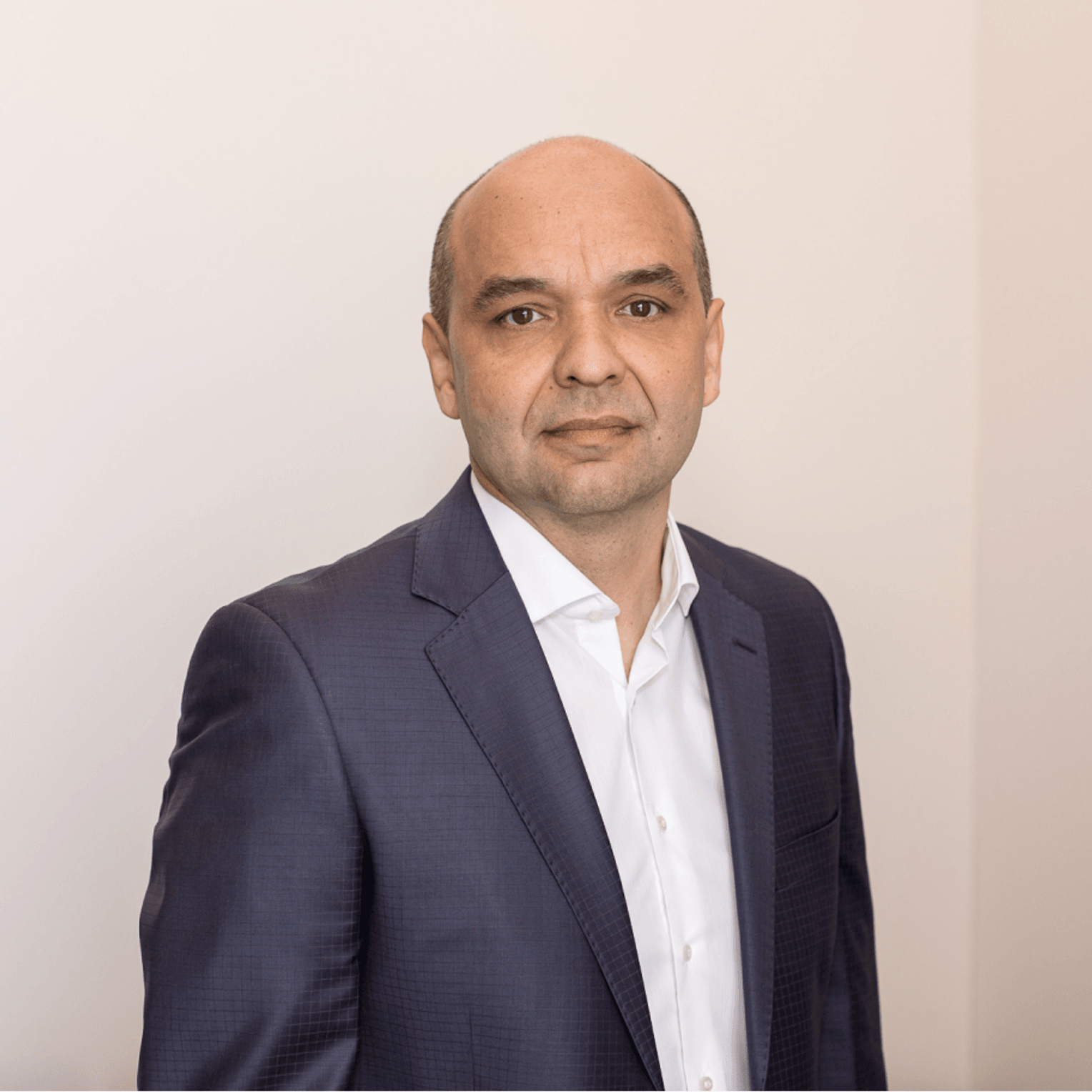
This is a fast-paced market that demands multi-billion investments in continuous technological upgrades, in-house R&D centers, and gigawatt-scale production volumes to drive down unit costs. Current security risks in Ukraine, combined with the high cost of capital, create additional barriers to establishing capital-intensive, high-tech manufacturing operations of this scale, explains Andrii Khyzhniak. Conversely, Ukrainian engineering expertise and software solutions—such as SCADA and EMS systems—are fully competitive within the EU market. “KNESS manages 2 GW of generation and storage capacity using its own software, and in 2025, it built a 10 MW energy storage facility—also of its own design,” he adds.
Buying Europe
Why can’t a producer with large-scale capacity simply sell more chicken abroad? Because poultry export volumes are determined not only by the processing plants themselves but also by trade and veterinary conditions in international markets. Even within free trade zones, this product category is often subject to quotas and other regulations.
For MHP, therefore, exports and the development of production in Europe are complementary. Exports drive business growth in Ukraine, while the acquisition of European companies enables the expansion of its international footprint, the diversification of production, and an increase in the Group’s overall resilience. In 2019, MHP acquired the Slovenian company Perutnina Ptuj, and in 2025, it acquired the Spanish UVESA Group. According to the company, since joining MHP, Perutnina Ptuj has nearly doubled its production volume—reaching 163,000 tonnes—while its EBITDA (earnings before interest, taxes, depreciation, and amortization) has tripled.
Another approach is to acquire an established brand name. In 2022, the Biosphere Corporation acquired the Austrian company Alufix—a brand with a 63-year history and production facilities in Romania.
“The main advantage is Alufix’s brand recognition among consumers in Central and Eastern Europe.” “Following the acquisition, sales of Biosphere’s household products in Europe have tripled,” says Yuriy Holianych, General Manager of the Household Products, Recycling, and International Business divisions at Biosphere Corporation.

However, having a plant in the EU does not mean the company is relocating there entirely. Ukrainian manufacturers generally keep their most valuable assets—product development, brands, and management—at home.
Kormotech began considering EU-based production as early as 2009, eventually opening a facility in Lithuania. “In the Lithuanian market, we are perceived as a local manufacturer; however, consumer research, brand creation, and recipe development remain at our headquarters in Ukraine,” notes Ihor Blystiv, Kormotech’s Marketing Director.
Farmak employs a hybrid approach. The company supplies some of its medicines to 15 EU countries from its Ukrainian plant, which operates according to EU GMP standards. It also utilizes contract manufacturing facilities within the EU and maintains its own production site in Spain.
“European expansion does not mean moving Farmak from Ukraine to the EU. On the contrary, the goal is to secure a significantly larger sales market for Ukrainian production, R&D, and expertise,” explains Yevheniia Piddubna.
The Cost of Entry
According to the company, Farmak has already spent €2.05 million solely on 2D packaging coding for the Ukrainian market. This is a requirement of the new Law on Medicinal Products, which aligns Ukrainian regulations with European standards. For exports to the EU, Farmak had implemented such coding much earlier—an initiative that involved separate investments. Entering the European market and adopting European standards domestically create new opportunities, though they do not guarantee competitiveness. Meeting European requirements is costly, and these expenses are factored into the production cost of the goods.
Registering a single dosage of a generic drug in Western Europe costs up to €50,000–€60,000. Bioequivalence studies represent a separate expense. Farmak has long conducted such studies for the EU market, so many of the company’s products already meet these criteria. Now, under the Law “On Medicinal Products,” bioequivalence studies will become mandatory for every generic drug in Ukraine as well. According to the company, the cost for such a study ranges from $100,000 to $600,000.
“The most frustrating part is that Ukrainian manufacturers have to go through some procedures twice. Their facilities are inspected for compliance with GMP (Good Manufacturing Practice) standards in Ukraine, but these results are insufficient for the EU market because there is still no mutual recognition of GMP inspections between Ukraine and the European Union,” explains Yevheniia Piddubna. “This consumes time and resources, which affects the price competitiveness of our products in the EU.”
In the agricultural sector, the competition is even tougher. Countries that account for nearly 75% of global agricultural production allocate over $800 billion annually to support the sector. “A Ukrainian farmer or producer often competes not just with another farmer, but with the financial might of the state backing that competitor,” explains Mykhailo Bno-Airiyan from MHP.
For Biosphere, one of the most significant barriers is logistics. Transporting goods over distances exceeding 1,000 km reduces profit margins, and carriers also factor security risks into their rates.
Kormotech adds to this the burden of higher-cost loans and expenses incurred from using diesel generators during power outages.
“If a Ukrainian company attempts to compete with a European manufacturer solely on the price of a standard product, it starts from a disadvantageous position,” says Ihor Blystiv, Marketing Director at Kormotech.
There is, however, a barrier that money cannot buy: trust. KNESS has built over 280 MW of solar power plants and 55 MWh of energy storage systems in Poland and Latvia; yet, the company notes that in every new market, trust must be earned virtually from scratch. In total, KNESS has constructed 1.5 GW of solar power capacity and is currently in the process of installing over 1 GWh of energy storage systems.
What businesses are asking of the state
While every industry faces its own unique barriers, the request to the state is the same: create conditions that make manufacturing in Ukraine more advantageous than relocating production abroad.
Farmak proposes a two-pronged approach. Domestically, the company suggests introducing tax incentives for funds reinvested by businesses into research and development, production modernization, and the creation of new pharmaceutical products and active pharmaceutical ingredients (APIs). Internationally, the goal is to establish a “pharmaceutical visa-free regime”—mutually recognizing GMP (Good Manufacturing Practice) inspections and gradually eliminating technical barriers.
“If a Ukrainian drug already holds European registration and its manufacturing site is EU GMP-certified, it is worth re-evaluating whether additional batch-control procedures are truly necessary upon entry into the EU,” explains Yevheniia Piddubna.
According to MHP, developing the processing sector in Ukraine requires expanding access to preferential lending and implementing tax incentives that encourage the production and export of higher value-added goods, rather than raw materials. Biosphere proposes partially compensating export logistics costs—specifically, the delivery of products from Ukraine to European clients. According to Yuriy Holianych, state support covering at least a portion of these expenses would help Ukrainian goods remain price-competitive in the EU market.
DroneUA emphasizes the need for co-financing certification processes, as well as developing export financing and contract insurance. Meanwhile, Kormotech suggests establishing a state-run incubator that would integrate consumer research, prototype development, and product testing for export markets.
There is little time for all of this.
“The war has created a short, complex, yet significant window of opportunity for Ukraine,” summarizes Yevheniia Piddubna.
“We must use this time to strengthen Ukrainian manufacturers and develop our R&D and production capabilities,” says Yevheniia Piddubna.
“Then, by the time full integration into the EU is achieved, Ukraine will not arrive asking to protect its domestic industry from European competition; instead, it will present a robust pharmaceutical sector—one that is valuable to the European economy and its healthcare system,” Yevheniia Piddubna concludes.